The Caine Prize Presents: An Evening of Readings with the Caine Prize Writers' Workshop 2026 Cohort

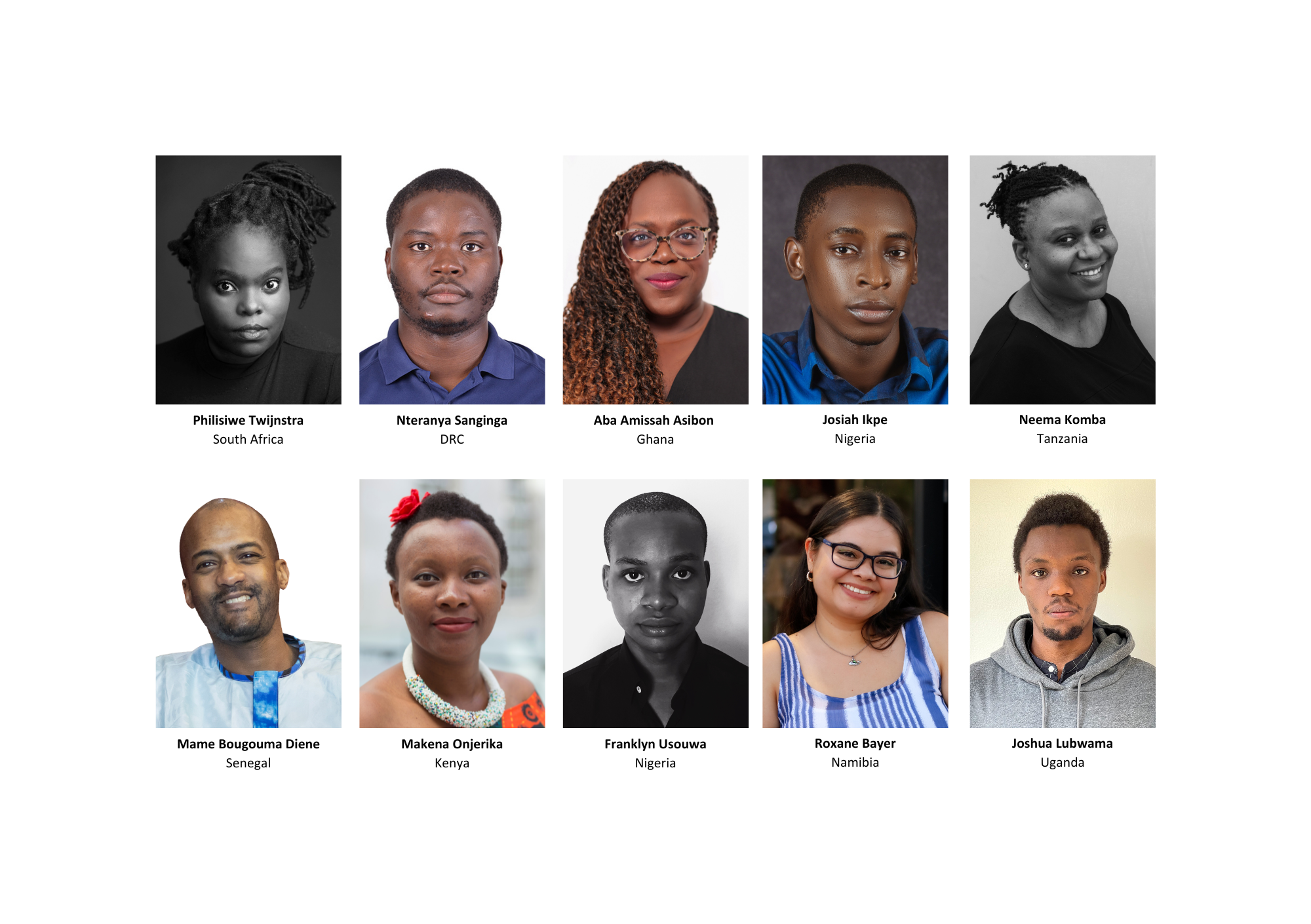
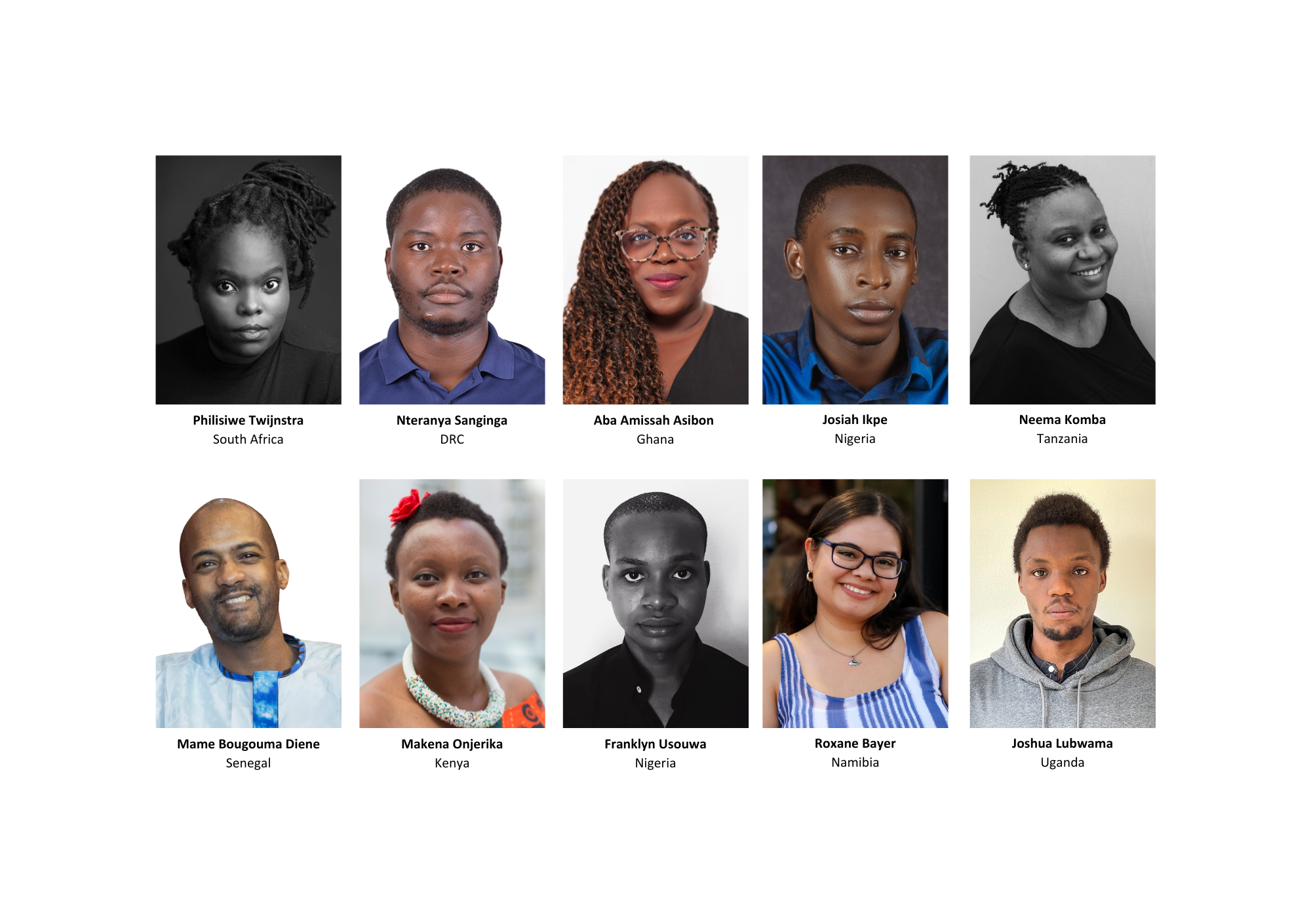
The Caine Prize for African Writing Writers’ Workshop is being held in Zanzibar in honour of the 2025 Chair of Judges, Nobel Laureate Abdulrazak Gurnah. This is our nineteenth Writers’ Workshop. Ten writers from nine countries have convened in Stone Town, Zanzibar, for fourteen days (11 – 24 April) to develop works in progress, as well as learn from and be guided by editor and journalist Otieno Owino (Kenya) and writer and 2019 Caine Prize Winner, Lesley Nneka Arimah (Nigeria), who are serving as workshop facilitators.

This year’s participants include 2018 winner Makena Onjerika (Kenya); 2023 co-winner Mame Bougouma Diene (Senegal); Josiah Ikpe (Nigeria); Aba Amissah Asibon (Ghana); Franklyn Usouwa (Nigeria); Joshua Lubwama (Uganda); Philisiwe Twijnstra (South Africa); Neema Komba (Tanzania); Roxane Bayer (Namibia); and Nteranya Sanginga (Democratic Republic of Congo).

Commenting on the workshop so far, Otieno Owino says: “The writers have spent time discussing the craft of writing, while also refining their short stories for publication. It has been several days of robust discussions on technical aspects of the short story and sharing of useful feedback to improve the works-in-progress.

“During visits to Hamamni Secondary School in Stone Town, the writers shared tips about reading and writing with students and read from their works. These interactive sessions were a chance to make lasting connections with the school community and inspire future authors from Zanzibar.”

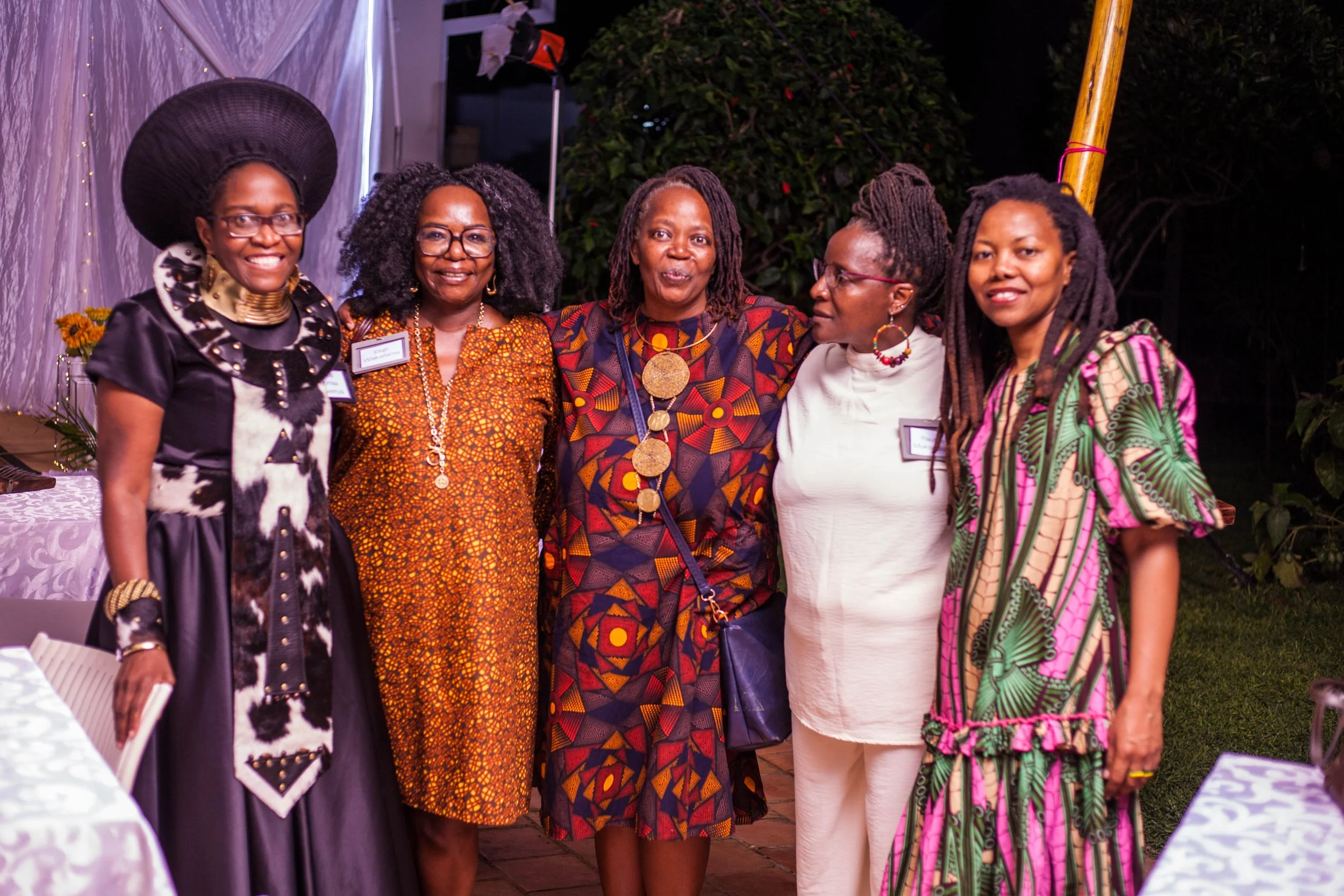
On Thursday, 23 April 2026, the Prize will host An Evening of Readings at the Secret Garden, Emerson Spice Hotel, in collaboration with Emerson Spice Hotel, the Zanzibar Renaissance Literary Society (ZRLS), and Emerson’s Zanzibar Foundation. At the event, the ten writers will read excerpts from their short stories and engage in a question-and-answer session with members of the public. Guests from Tanzania’s literary, arts, and cultural communities, as well as members of the press will be in attendance.

Commenting on the writers and the upcoming event Lesley Nneka Arimah says: “I am excited for the workshop participants to read from the stories they’ve worked so hard on during our time in Zanzibar. Some of the participants are old hands at public readings, but for most of them this is the first time they’ll be reading in front of an audience. All of the writers have unique voices and stories to share.”

The full stories will be published in the 2026 Caine Prize Anthology, alongside the short stories from the writers shortlisted for the Prize this year.

Susi Owusu, Interim Director of the Caine Prize adds: “I am delighted by the stories created this year during the workshop. A huge thanks to our donors, the Oppenheimer Memorial Trust and Hawthornden Foundation, without whom these workshops could not happen. I’m also grateful to Ally Baharoon of ZRLS who has helped us connect to the creativity in Stone Town and who relentlessly champions writing and reading of African authors particularly through the ZRLS community library in Kiembe Samaki and the Zanzibar Book Fair.

“Alongside Emerson’s Zanzibar Foundation, I look forward to welcoming guests to our reading event on the 23rd of April.”

This 2026 Caine Prize Anthology will be published and available for purchase in Autumn 2026. 

END

Media Contact: comms@caineprize.com

About The Caine Prize for African Writing 

The Caine Prize for African Writing is an annual award for African creative writing. The Prize is awarded for a short story by an African writer published in English (indicative length 3,000 to 10,000 words). The Caine Prize for African Writing is named after the late Sir Michael Caine, former Chairman of Booker plc and Chairman of the Booker Prize management committee for nearly 25 years. The African winners of the Nobel Prize for Literature, Wole Soyinka and J M Coetzee, are Patrons of The Caine Prize. Ellah Wakatama OBE (Hon) FRSL is the Chair. 

An African writer is taken to mean someone who was born in Africa, or who is a national of an African country, or who has a parent who is African by birth or nationality. Works translated into English from other languages are not excluded, provided they have been published in translation, and should such a work win, a proportion of the prize would be awarded to the translator. 

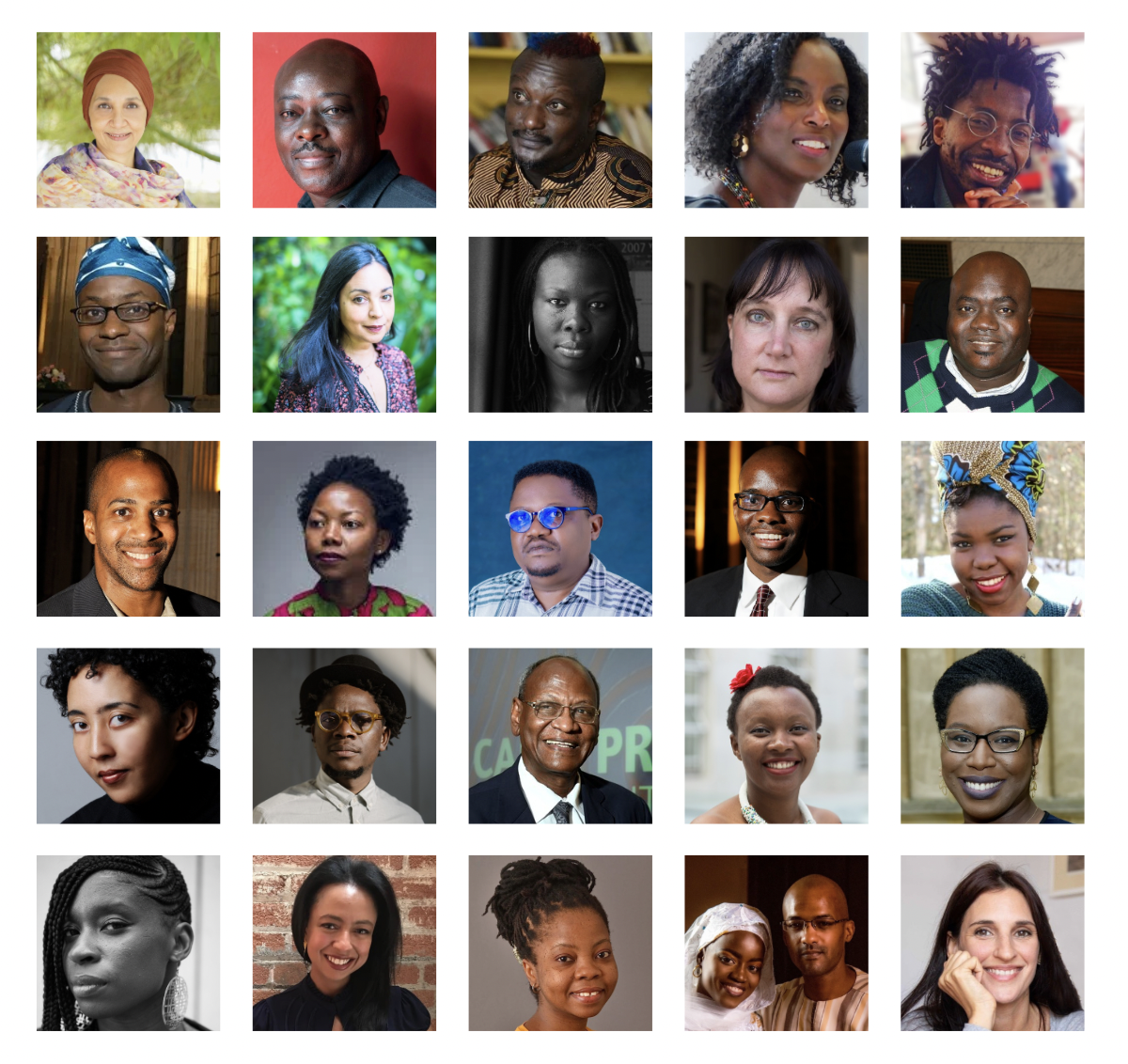
Previous winners are Leila Aboulela (Sudan, 2000); Helon Habila (Nigeria, 2001); Binyavanga Wainaina (Kenya, 2002); Yvonne Owuor (Kenya, 2003); Brian Chikwava (Zimbabwe, 2004); Segun Afolabi (Nigeria, 2005); Mary Watson (South Africa, 2006); Monica Arac de Nyeko (Uganda, 2007); Henrietta Rose-Innes (South Africa, 2008); EC Osondu (Nigeria, 2009); Olufemi Terry (Sierra Leone, 2010); NoViolet Bulawayo (Zimbabwe, 2011); Rotimi Babatunde (Nigeria, 2012); Tope Folarin (Nigeria, 2013); Okwiri Oduor (Kenya, 2014); Namwali Serpell (Zambia, 2015); Lidudumalingani (South Africa, 2016); Bushra al-Fadil (Sudan, 2017); Makena Onjerika (Kenya, 2018); Lesley Nneka Arimah (Nigeria, 2019); Irenosen Okojie (Nigeria/UK, 2020); Meron Hadero (Ethiopia, 2021); Idza Luhumyo (Kenya, 2022); Mame Bougouma Diene and Woppa Diallo (Senegal, 2023); and Nadia Davids (South Africa, 2024).
The Caine Prize for African Writing Announces its 2026 Panel of Judges

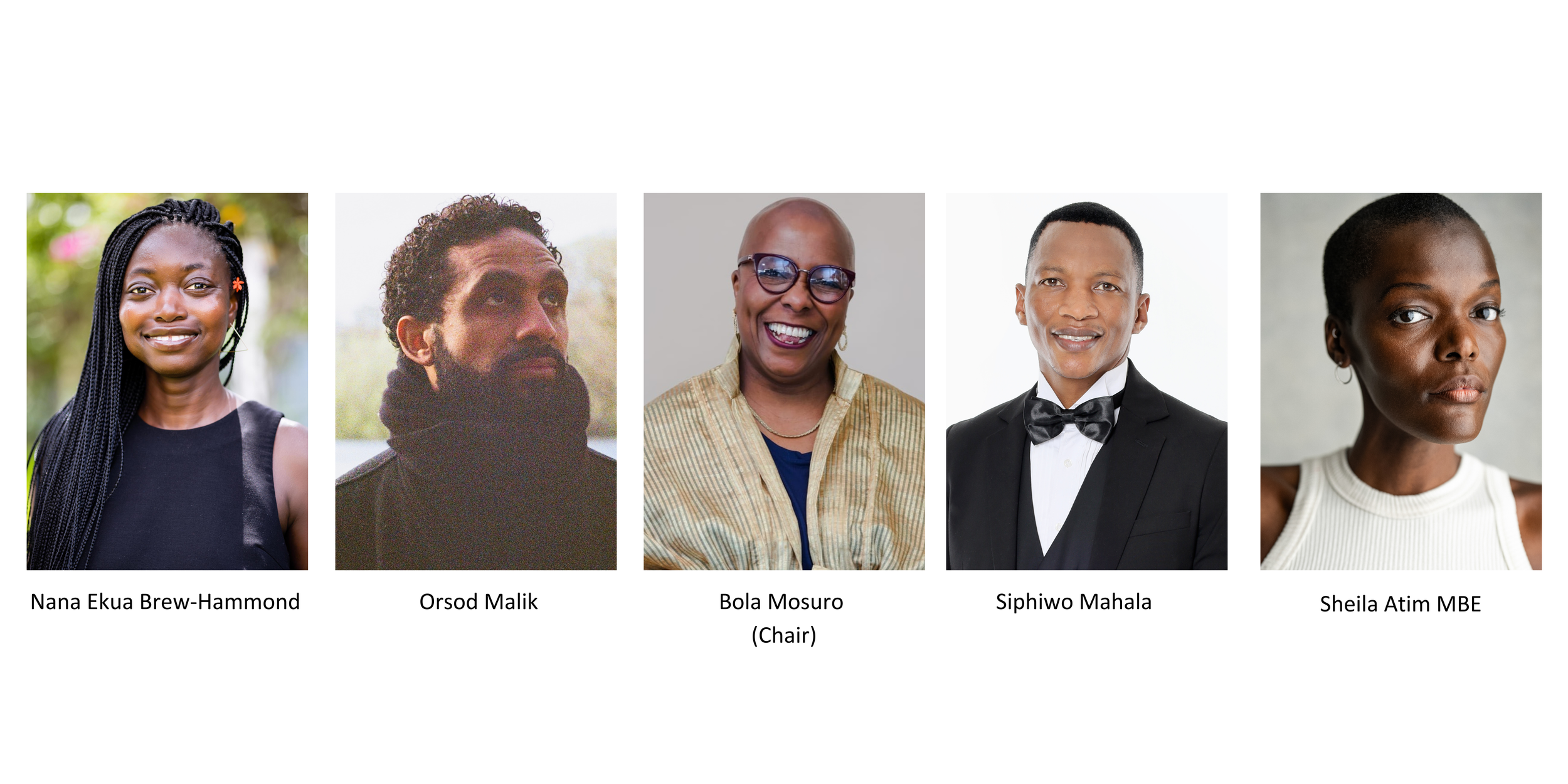
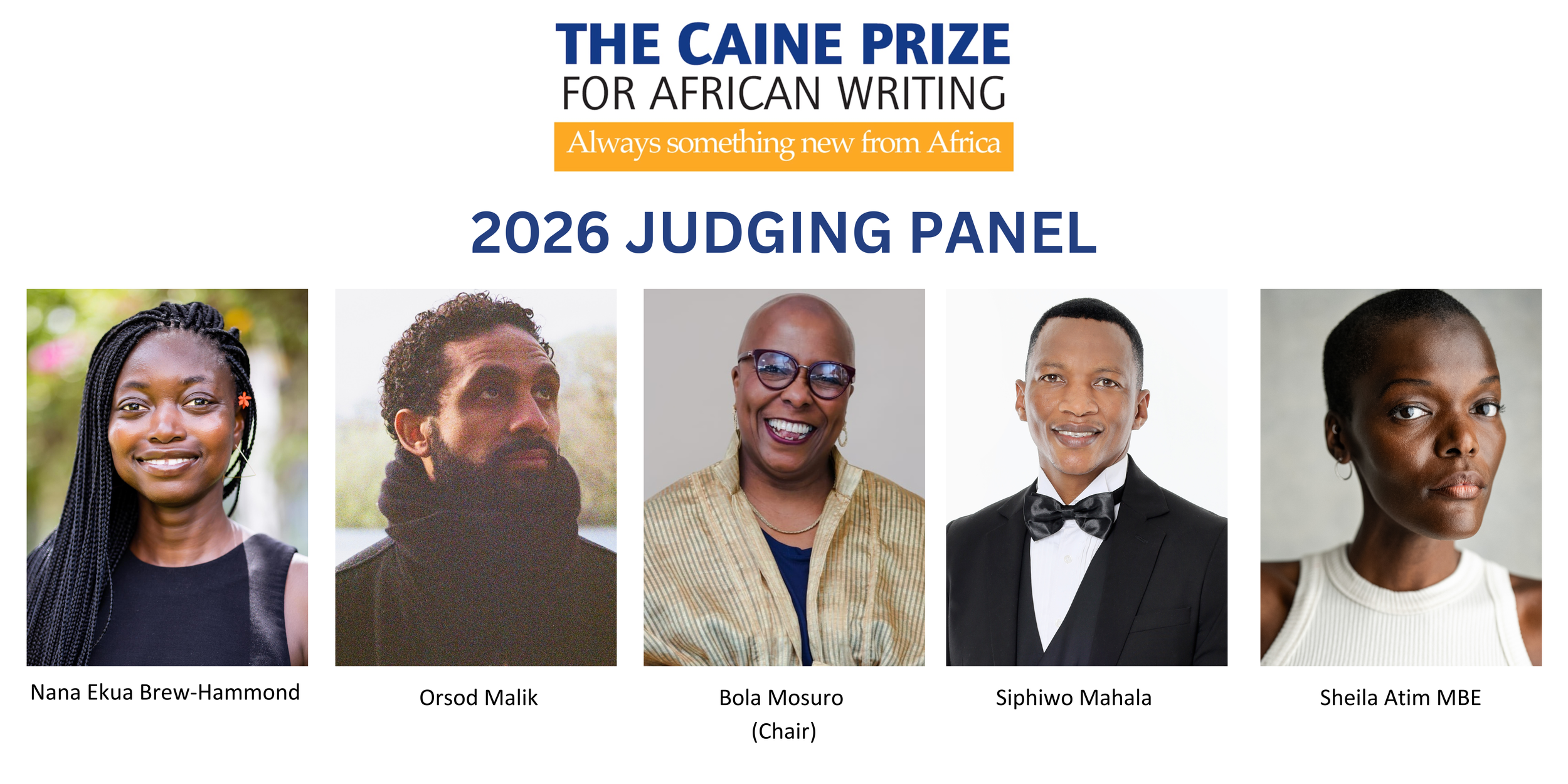
[London, UK] – The Caine Prize for African Writing has announced its 2026 panel of judges. This year’s panel assembles a formidable mix of talent, insight and expertise spanning arts and culture at the highest level. Together, they reflect the Prize’s commitment to platforming rich and varied narratives. Joining Chair of Judges Bola Mosuro (announced last week), are Nana Ekua Brew-Hammond, Orsod Malik, Siphiwo Mahala and Sheila Atim MBE.

Commenting on this year’s panel, Ellah Wakatama OBE (Hon) FRSL, Chair of the Prize said: “Over the years, we have been intentional about challenging the idea that there is such a thing as a ‘Caine Prize story’ and, by extension, an ‘African story.’ One of the ways we have achieved this is by assembling panels of cultural producers drawn from different disciplines, geographies, generations, and lived experiences, united by one purpose – valorising the best short stories being written today. The result is a shortlist that resists expectation and reflects, as one of our judges Siphiwo Mahala so beautifully put, a ‘kaleidoscope of contemporary African voices.’”

“As publishers continue to submit work, we invite them to let go of inherited assumptions about what an ‘ideal’ story looks like. We champion boldness – of form, perspective, genre, and themes – and we urge writers to push beyond the familiar edges of their practice. Bola, Nana, Orsod, Siphiwo, and Sheila are unequivocally aligned in this belief, and they are eagerly waiting for your submissions and the stories that will surprise us all.”

With entries to the Prize closing at midnight on 27 February 2026, the five shortlisted stories and their authors will be announced on 1 September 2026.

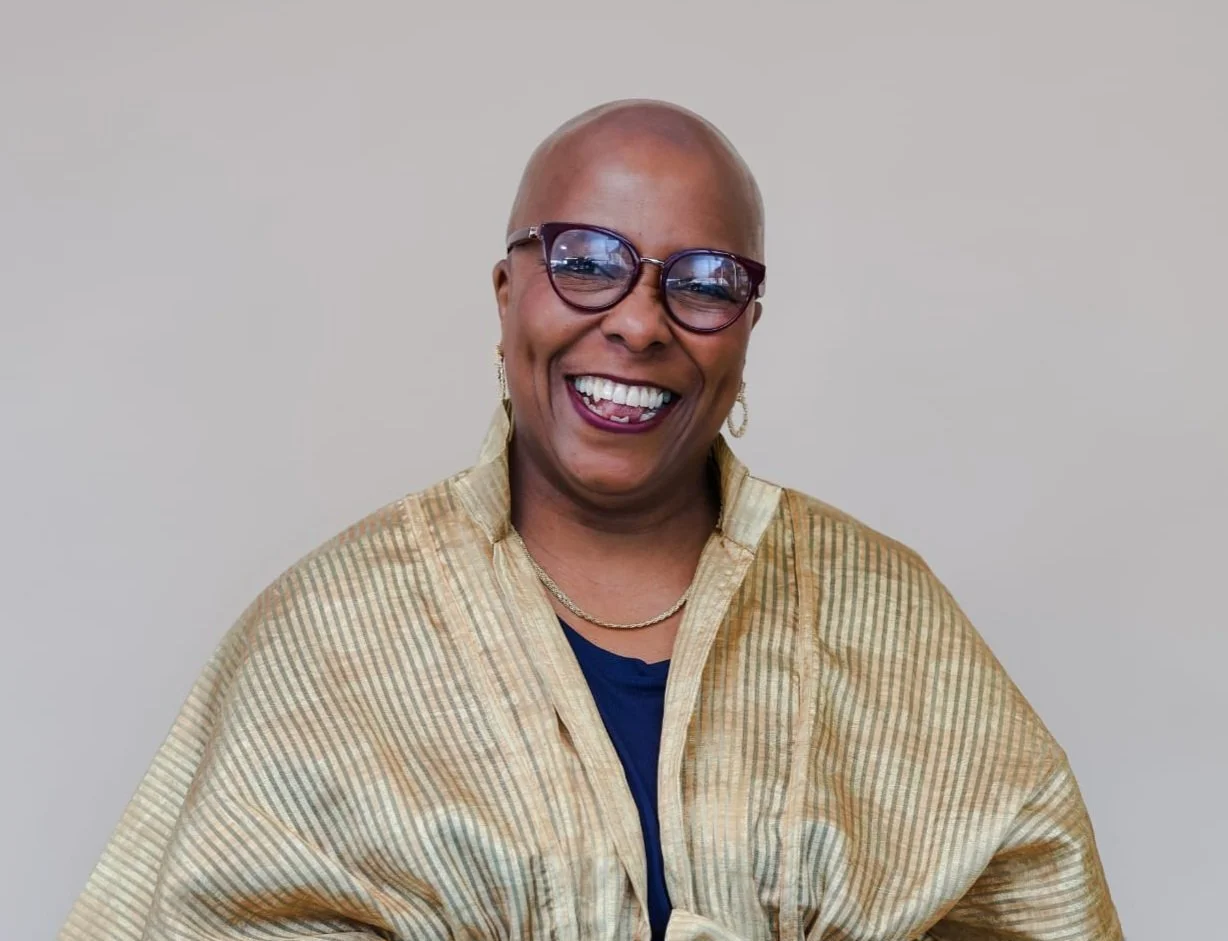
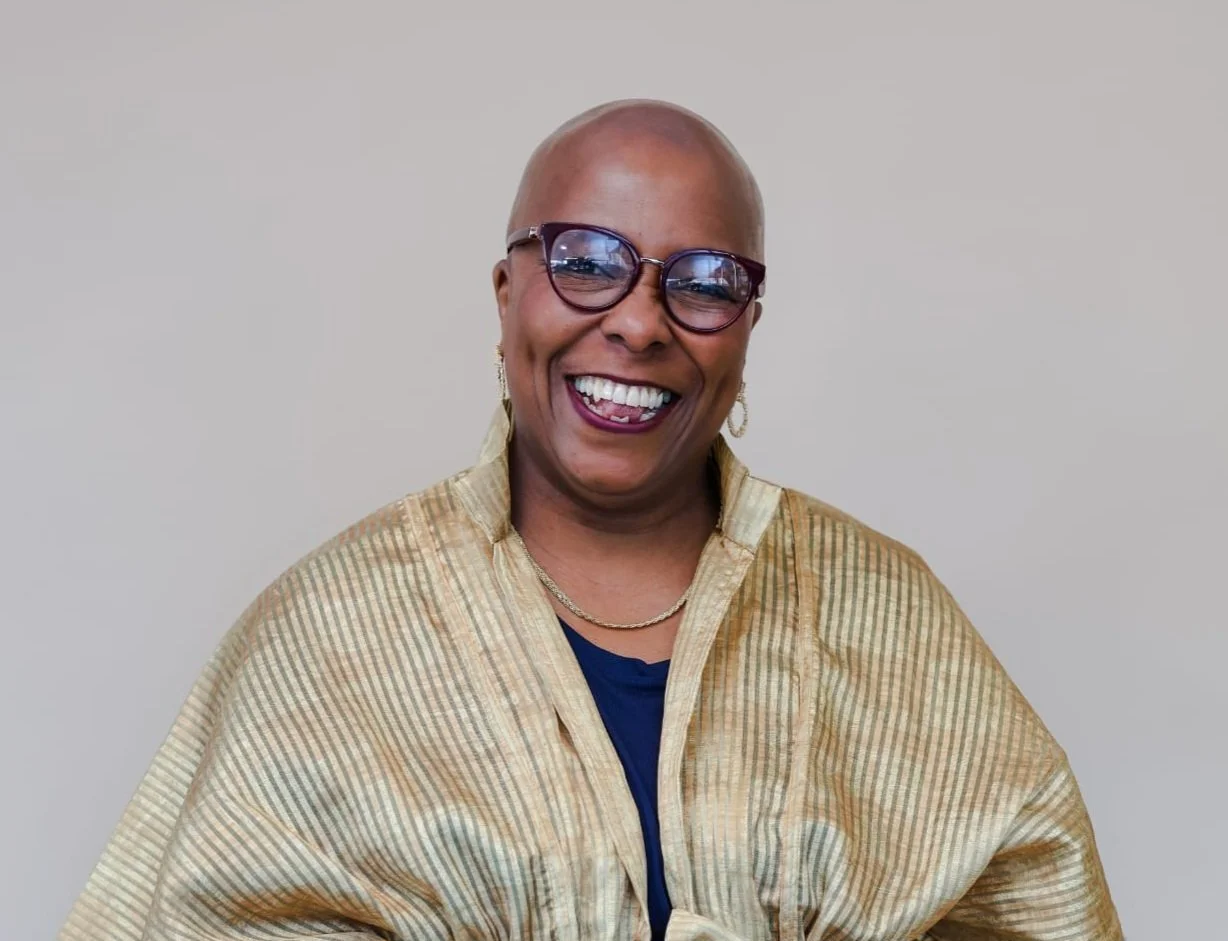
This year’s Chair of Judges is Nigerian journalist, broadcaster, and documentary maker, Bola Mosuro. Mosuro started her career in the African development sector, working for the NGO Institute of African Alternatives and as a board member for Akina Mama Wa Afrika. For over three decades, Mosuro was a familiar voice for BBC World Service listeners, presenting on Network Africa, Focus on Africa and Newsday. She’s produced various programmes and documentaries including ‘The Story of Africa’, a radio history series for the BBC. More recently, she appears as presenter of the Loftus Media documentary, ‘Shepherd’s Eye in the Sky’ produced for the BBC World Service (forthcoming, 31 January 2026), in which she speaks with pastoralists across East and West Africa about climate solutions. As a narrator, Mosuro is the host of ODI/SPARC podcast series ‘Dynamic Drylands’ focusing on the nomadic peoples and rangelands of Africa. This year sees the launch of her own podcast, ‘Breaking Bread with Bola.’

Mosuro is joined on the panel by Nana Ekua Brew-Hammond, a Ghanaian-American author and editor of fiction, non-fiction, and poetry for children, teens, and adults. Her works for young people include the Young Adult novel Powder Necklace and the children's picture book Blue: A History of the Color as Deep as the Sea and as Wide as the Sky. For adults, she edited Relations: An Anthology of African and Diaspora Voices and wrote My Parents’ Marriage: A Novel. Learn more at nanabrewhammond.com;

Orsod Malik, a Sudani curator of exhibitions and archives, writer, independent researcher, and the Executive Director of the Stuart Hall Foundation. He currently serves as a Trustee at The Common Guild, a visual arts organisation in Glasgow. Malik’s work explores transnational cultural and political entanglements in historical narratives to consider the possibility of shared histories. He is particularly interested in the relationship between social movements, aesthetics, and public education, and their combined role in shaping collective identities. Malik has curated exhibitions and developed programmes for several cultural organisations including, the Stuart Hall Foundation, International Curators Forum (ICF), Black Cultural Archives, Institute of International Visual Arts (iniva), Prince Claus Fund and the British Council;

Siphiwo Mahala, a multi-award-winning South African writer and academic, plying his trade in English and isiXhosa. He is a graduate of the University of Fort Hare, holds a Master’s degree in African Literature from Wits University and a PhD in English Literature from the University of South Africa. He is the author of the novel, When a Man Cries (2007), which he later translated into isiXhosa as Yakhal’ Indoda (2010). His short story collections include African Delights (2011), Red Apple Dreams and Other Stories (2019), and The Missing Pages (2025). He wrote two critically acclaimed plays, The House of Truth (2016) and Bloke and His American Bantu (2021). His monograph Can Themba: The Making and Breaking of the Intellectual Tsotsi (2022) won the Creative Non-Fiction Award at the South Africa Literary Awards in 2023 and the 2024 Book of the Year at the Vice-Chancellor’s Distinguished Awards. For two years, he served as the Chair of Judges for the fiction panel of the Sunday Times Literary Awards. He is an Associate Professor in the English Department at the University of Johannesburg;

Sheila Atim MBE, a Ugandan-British actress, singer, composer, and playwright. Film credits include The Woman King (Sony) - earning a BAFTA Rising Star nomination and the Chopard Trophy at Cannes - Doctor Strange & the Multiverse of Madness (Marvel), Mufasa and Pinocchio (Disney), Bruised (TIFF Rising Star Award), Dust Bunny (Thunder Road Pictures), and All Dirt Roads Taste of Salt (A24). Television work includes the upcoming Blade Runner 2099 (Amazon/Alcon), The Underground Railroad (Amazon), The Irregulars (Netflix), Harlots (Hulu), and The Pale Horse (BBC/Amazon). On stage, Sheila has appeared in a Shakespeare trilogy at the Donmar Warehouse, Othello at Shakespeare’s Globe, and Constellations at the Donmar, winning the 2022 Olivier Award for Best Actress. She also starred in Girl From the North Country (Old Vic/Noël Coward), earning the 2018 Olivier Award for Best Supporting Actress in a Musical alongside multiple major nominations. In addition to acting, Sheila is a composer and a writer, with several film and television projects in development. She holds an MBE for services to drama.

The judges will meet in September to select and announce a winner from the five shortlisted authors.

Each writer shortlisted for the Caine Prize will be awarded £500, and the winner will receive a £10,000 prize. If a work in translation is chosen as the winning story, the prize will be split 70% to the author and 30% to the translator. 

The five shortlisted stories will be compiled into the official Caine Prize anthology and published alongside stories from the live workshop to be held this spring.

-Ends

Media Contact: comms@caineprize.com

Press Package: Access via Dropbox here

About The Caine Prize for African Writing 

The Caine Prize for African Writing is an annual award for African creative writing. The Prize is awarded for a short story by an African writer published in English (indicative length 3,000 to 10,000 words). The Caine Prize for African Writing is named after the late Sir Michael Caine, former Chairman of Booker plc and Chairman of the Booker Prize management committee for nearly 25 years. The African winners of the Nobel Prize for Literature, Wole Soyinka and J M Coetzee, are Patrons of The Caine Prize. Ellah Wakatama OBE (Hon) FRSL is the Chair. 

An African writer is taken to mean someone who was born in Africa, or who is a national of an African country, or who has a parent who is African by birth or nationality. Works translated into English from other languages are not excluded, provided they have been published in translation, and should such a work win, a proportion of the prize would be awarded to the translator. 

Previous winners are Sudan’s Leila Aboulela (2000), Nigerian, Helon Habila (2001), Kenyan, Binyavanga Wainaina (2002), Kenyan, Yvonne Owuor (2003),  Zimbabwean, Brian Chikwava (2004), Nigerian, Segun Afolabi (2005), South African, Mary Watson (2006), Ugandan, Monica Arac de Nyeko (2007), South African, Henrietta Rose-Innes (2008), Nigerian, EC Osondu (2009), Sierra Leonean, Olufemi Terry (2010), Zimbabwean, NoViolet Bulawayo (2011),  Nigerian, Rotimi Babatunde (2012), Nigerian, Tope Folarin (2013), Kenyan, Okwiri Oduor (2014), Zambian, Namwali Serpell (2015), South African, Lidudumalingani (2016), Sudanese writer, Bushra al-Fadil (2017), Kenyan, Makena Onjerika (2018), Nigerian, Lesley Nneka Arimah (2019), Nigerian-British, Irenosen Okojie (2020), Ethiopian, Meron Hadero (2021), Kenyan, Idza Luhumyo (2022), Senegalese, Mame Bougouma Diene and Woppa Diallo (2023), and South African, Nadia Davids (2024).

The Caine Prize for African Writing Announces Renowned Journalist and Broadcaster Bola Mosuro as 2026 Chair of Judges

[London, UK] – After a year-long celebration of its 25th anniversary, the Caine Prize for African Writing returns for its 26th edition, marking the beginning of a new quarter-century dedicated to platforming African literary talent across the Continent and the diaspora. Building on this legacy, the Caine Prize is pleased to announce its Chair of Judges, who will guide the panel in selecting the five shortlisted writers and the eventual winner of the prestigious award. The shortlisted stories and their authors will be announced on 1 September 2026, with the winner revealed at an award ceremony later that month. Entries to the Prize close at midnight on 27 February 2026.

This year’s Chair of Judges is Nigerian journalist, broadcaster, and documentary maker, Bola Mosuro. Mosuro started her career in the African development sector, working for the NGO Institute of African Alternatives and as a board member for Akina Mama Wa Afrika. For over three decades, Mosuro was a familiar voice for BBC World Service listeners, presenting on Network Africa, Focus on Africa and Newsday. She’s produced various programmes and documentaries including ‘The Story of Africa’, a radio history series for the BBC. More recently, she appears as presenter of the Loftus Media documentary, ‘Shepherd’s Eye in the Sky’ produced for the BBC World Service (forthcoming, 31 January 2026), in which she speaks with pastoralists across East and West Africa about climate solutions. As a narrator, Mosuro is the host of ODI/SPARC podcast series ‘Dynamic Drylands’ focusing on the nomadic peoples and rangelands of Africa. This year sees the launch of her own podcast, ‘Breaking Bread with Bola.’

Commenting on her appointment as Chair of Judges, Mosuro remarked: “I'm honoured to be this year’s Chair of Judges for the Caine Prize, joining a long list of luminaries who've presided over Africa's most prestigious literary award. Over the past twenty-five years, the Prize has spotlighted exceptional authors with unique voices and styles, many of whom have gone on to forge wonderful literary careers. The Caine Prize has acted as a springboard – propelling them to a continent-wide and global stage.”

On Mosuro’s selection as Chair of the 2026 Panel, Ellah Wakatama OBE (Hon) FRSL, Chair of the Prize, said: “The Prize’s formal introduction to Bola Mosuro took place at the inaugural Word Across Waters: Afro Literary Festival last autumn in London, where she chaired a panel discussion titled ‘Celebrating 25 Years of the Caine Prize.’ The conversation featured 2004 winner Brian Chikwava, two-time shortlisted writers Billy Kahora and myself. We all marvelled at the mastery with which Mosuro shaped the discussion, and it was immediately clear that she would be an excellent choice to chair the judges for this significant award season, marking the Prize’s entry into its next quarter-century.

“Mosuro’s deep love for arts and culture, and her passion for championing literature from the Continent, are evident in her distinguished career in the media industry. She is joined by four outstanding figures in their own right, drawn from different creative fields and reflecting the multidisciplinary expertise the Prize celebrates. We are excited for the season ahead and look forward to completing the announcement for our 2026 Panel of Judges soon.”

The judges will meet in September to select a winner from the five shortlisted authors and announce the winner in an award ceremony held in September 2026.

Each writer shortlisted for the Caine Prize will be awarded £500, and the winner will receive a £10,000 prize. If a work in translation is chosen as the winning story, the prize will be split 70% to the author and 30% to the translator.  

The five shortlisted stories will be compiled into the official Caine Prize anthology and published alongside stories from the live workshop to be held this spring.

-Ends

Media Contact: comms@caineprize.com

About The Caine Prize for African Writing 

The Caine Prize for African Writing is an annual award for African creative writing. The Prize is awarded for a short story by an African writer published in English (indicative length 3,000 to 10,000 words). The Caine Prize for African Writing is named after the late Sir Michael Caine, former Chairman of Booker plc and Chairman of the Booker Prize management committee for nearly 25 years. The African winners of the Nobel Prize for Literature, Wole Soyinka and J M Coetzee, are Patrons of The Caine Prize. Ellah Wakatama OBE (Hon) FRSL is the Chair. 

An African writer is taken to mean someone who was born in Africa, or who is a national of an African country, or who has a parent who is African by birth or nationality. Works translated into English from other languages are not excluded, provided they have been published in translation, and should such a work win, a proportion of the prize would be awarded to the translator. 

Previous winners are Sudan’s Leila Aboulela (2000), Nigerian, Helon Habila (2001), Kenyan, Binyavanga Wainaina (2002), Kenyan, Yvonne Owuor (2003),  Zimbabwean, Brian Chikwava (2004), Nigerian, Segun Afolabi (2005), South African, Mary Watson (2006), Ugandan, Monica Arac de Nyeko (2007), South African, Henrietta Rose-Innes (2008), Nigerian, EC Osondu (2009), Sierra Leonean, Olufemi Terry (2010), Zimbabwean, NoViolet Bulawayo (2011),  Nigerian, Rotimi Babatunde (2012), Nigerian, Tope Folarin (2013), Kenyan, Okwiri Oduor (2014), Zambian, Namwali Serpell (2015), South African, Lidudumalingani (2016), Sudanese writer, Bushra al-Fadil (2017), Kenyan, Makena Onjerika (2018), Nigerian, Lesley Nneka Arimah (2019), Nigerian-British, Irenosen Okojie (2020), Ethiopian, Meron Hadero (2021), Kenyan, Idza Luhumyo (2022), Senegalese, Mame Bougouma Diene and Woppa Diallo (2023), and South African, Nadia Davids (2024).

The Caine Prize for African Writing Celebrates NoViolet Bulawayo’s Best of Caine Award Win as the Prize Marks Its 25th Anniversary in Zimbabwe

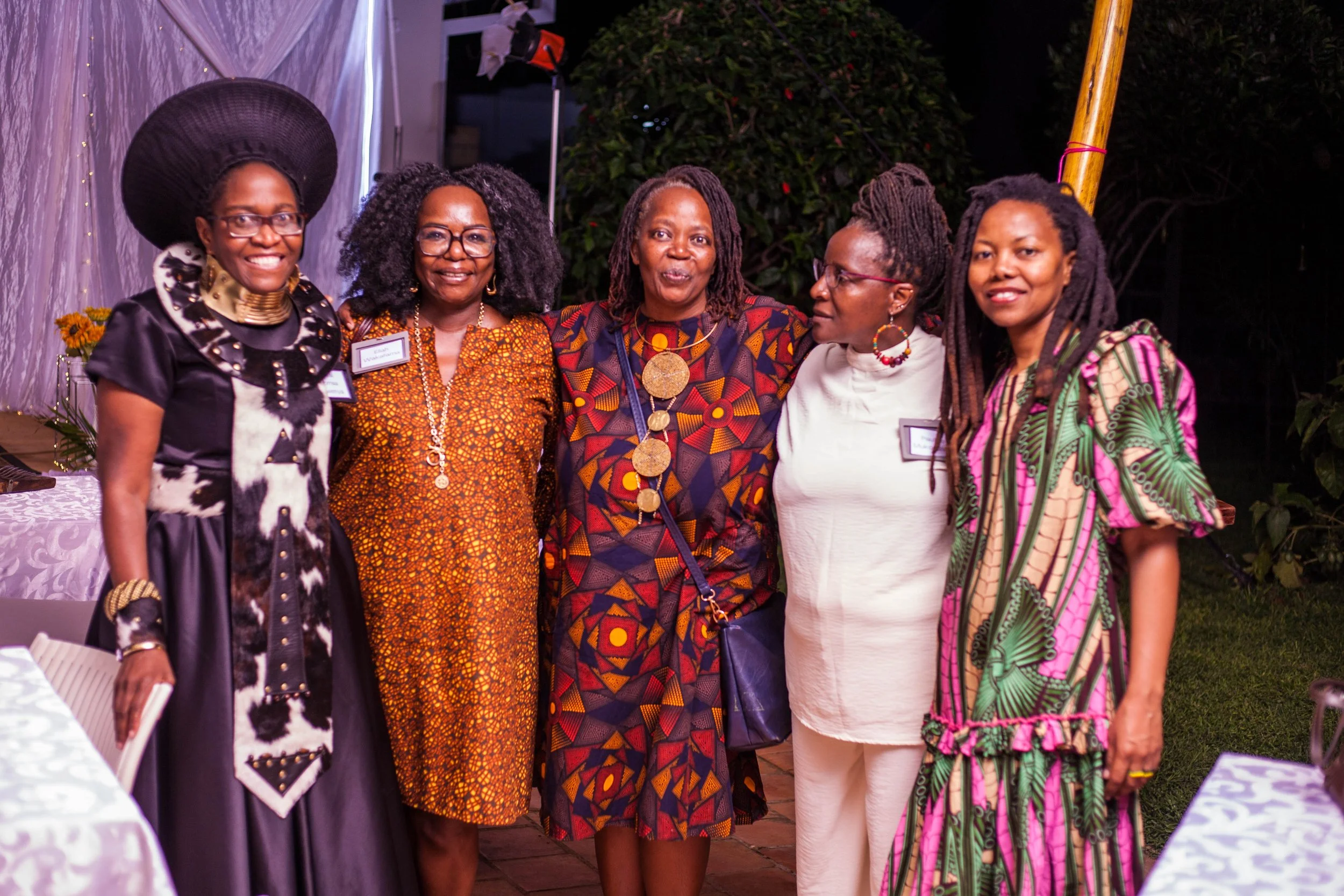
[Harare, Zimbabwe] — The Caine Prize for African Writing marked its 25th anniversary with a landmark return to Zimbabwe, celebrating NoViolet Bulawayo’s historic Best of Caine Award win and reaffirming the Prize’s enduring commitment to African literary excellence. Held across Harare and Bulawayo, the three-day programme placed Bulawayo’s work at the centre of a wider reflection on African storytelling, while highlighting the Prize’s legacy and future under the leadership of Chair Ellah Wakatama OBE FRSL.

Widely recognised as one of the most influential African writers of her generation, NoViolet Bulawayo was honoured for her short story “Hitting Budapest,” originally awarded the Caine Prize in 2011 and, in 2025, selected as the Best of Caine — the most outstanding winning story from the Prize’s 25-year history. The award underscores both the lasting impact of Bulawayo’s work and the Caine Prize’s role in identifying writing of enduring global significance.

The anniversary programme opened on 15 December at the Mayor’s Parlour in Bulawayo, where NoViolet Bulawayo was joined by Ellah Wakatama whose seasoned leadership has been central to the Prize’s international standing. They were received by the Mayor of Bulawayo, Senator David Coltart, before proceeding to a public reading and in-conversation event at Mzilikazi Library attended by local writers and readers.

In conversation with Wakatama, Bulawayo reflected on the universal humanity that anchors her work, observing that “death is death in Zimbabwe just as it is in Spain; the same is true of love and of childhood.” The evening concluded with Bulawayo being presented with a gift of photography by writer, filmmaker, and photographer Elliot Moyo.

A central highlight of the programme took place on 16 December in Harare with an evening reception celebrating Bulawayo’s Best of Caine Award. Created specifically to mark the Prize’s 25th anniversary, the Best of Caine distinction recognised the most exceptional winning story in the Prize’s history. “Hitting Budapest” was selected from all past winners by a judging panel chaired by Nobel Laureate Professor Abdulrazak Gurnah, alongside award-winning author Jennifer Nansubuga Makumbi and acclaimed film producer Tony Tagoe.

The Harare reception brought together writers, publishers, readers, and literary stakeholders, and featured a live musical performance by Zimbabwean singer-songwriter Raven Duchess. The evening opened with reflections acknowledging the Prize’s long-standing partnerships and its sustained investment in and support of African literary communities.

Drawing on her experience as a writer, editor, and cultural leader, Wakatama reflected on the mission of the Caine Prize to platform African writing globally. She emphasised the significance of celebrating this milestone anniversary in Zimbabwe, and spoke to the Prize’s responsibility not only to recognise excellence, but to actively invest in the development and visibility of African writers.

In a closing conversation, Bulawayo reflected on her writing journey, the lasting affirmation of her 2011 Caine Prize win, and the importance of ensuring Zimbabwean stories continue to travel across borders and media. She concluded the evening with a reading from “Hitting Budapest.”

The full programme concluded on 17 December with an intimate writers’ workshop at the Friendship Bench Hub in Harare, hosted by Wakatama, Bulawayo, and author Petina Gappah. Responding to ongoing concerns around access to publication pathways for Zimbabwean writers, the session focused on craft, discipline, and persistence, offering practical guidance grounded in the facilitators’ combined decades of literary experience.

As the Caine Prize marks 25 years of championing African storytelling, the Zimbabwe programme stood as a powerful convergence of legacy and future — celebrating NoViolet Bulawayo’s Best of Caine win while reaffirming the Prize’s long-term commitment to nurturing African literary talent.

The Prize acknowledges the generous support of Carnegie Corporation of New York and Meikles Foundation, whose sponsorship of the 25th anniversary programme reflects their commitment to sustaining African literary talent.

ENDS

Media Contact: comms@caineprize.com
Access Images via Dropbox

Zimbabwean Writer NoViolet Bulawayo wins 2025 Best of Caine Award

[London, UK] – The Caine Prize for African Writing is delighted to announce that Zimbabwean writer NoViolet Bulawayo has been awarded the 2025 Best of Caine Award for her short story, Hitting Budapest, which originally won the Prize in 2011. 

Marking the Prize's 25th anniversary, the Best of Caine Award is an honorary prize celebrating the most outstanding winning story from the Prize's 25 year history. Ellah Wakatama OBE, Chair of the Caine Prize, announced NoViolet Bulawayo as the winner at the inaugural Words Across Waters Afro Lit Festival on Saturday, 27 September 2025. 

This year’s judging panel, comprised of  Nobel Laureate Prof. Abdulrazak Gurnah (Chair); award-winning author Jennifer Nansubuga Makumbi; and critically acclaimed film producer Tony Tagoe

Speaking on the winning story, Prof. Abdulrazak Gurnah said: “It was a tremendously impressive collection of stories to read through, but the decision to award the Best of Caine Prize to NoViolet Bulawayo was unanimous and swift. The judges were impressed with the control of voice the story demonstrated and the superb evocation of a childhood vision.” 

Speaking on receiving the award, NoViolet Bulawayo said: “I wish to thank the Caine Prize and the judging panel for this incredible honor. Winning the Caine Prize as an unpublished writer back in 2011 was truly the kind of defining highlight to jumpstart a career. It brought my work to a global audience, affirmed my literary path, and strengthened my confidence and commitment to writing so that finishing a first novel worthy of the recognition bestowed on me by Africa’s most prestigious literary award – my first ever recognition – was non-negotiable. Now, receiving the Best of Caine Award these many years later feels like a moment to reflect on the journey. 

“I warmly congratulate the twenty-four remarkable winning authors and finalists whose works have helped define the prize up to this moment. That many have gone on to build distinguished careers, producing diverse and influential works that continue to challenge, expand, enrich, and reimagine what African literature can be, speaks to the indelible impact of the prize. It is twenty-five years of consistency, excellence, and vision – our present is vibrant, and the future promises even more. And it is to the future writers still to come, those whose voices we are yet to hear, that I dedicate this Best of Caine Award—I am truly excited to read you all, and witnessing how you continue to shape the landscape of African literature.”

The Caine Prize for African Writing has played a pivotal role in shaping the careers of African writers, offering unmatched global visibility and opportunities, including publishing deals and writing fellowships.


ENDS

NOTES TO EDITOR

THE CAINE PRIZE

The Caine Prize for African Writing is a registered charity that aims to bring African writing to a wider audience using its annual literary award. In addition to administering the Prize, the charity works to connect readers with African writers through a series of public events. It also helps emerging writers across the continent to enter the world of mainstream publishing through the annual online editing programme, and writer’s workshop which takes place in a different African country each year. 

The stories written at Caine Prize workshops are published annually alongside the Prize's shortlisted stories in a Caine Prize Anthology by Cassava Republic Press in the UK and publishers on the African continent. 

It is named after the late Sir Michael Caine, former Chairman of Booker plc, who was Chairman of the 'Africa 95' arts festival in Europe and Africa in 1995 and for nearly 25 years, Chairman of the Booker Prize management committee. After his death, friends and colleagues decided to establish a prize of £10,000 to be awarded annually in his memory.

WINNER’S BIO

NOVIOLET BULAWAYO

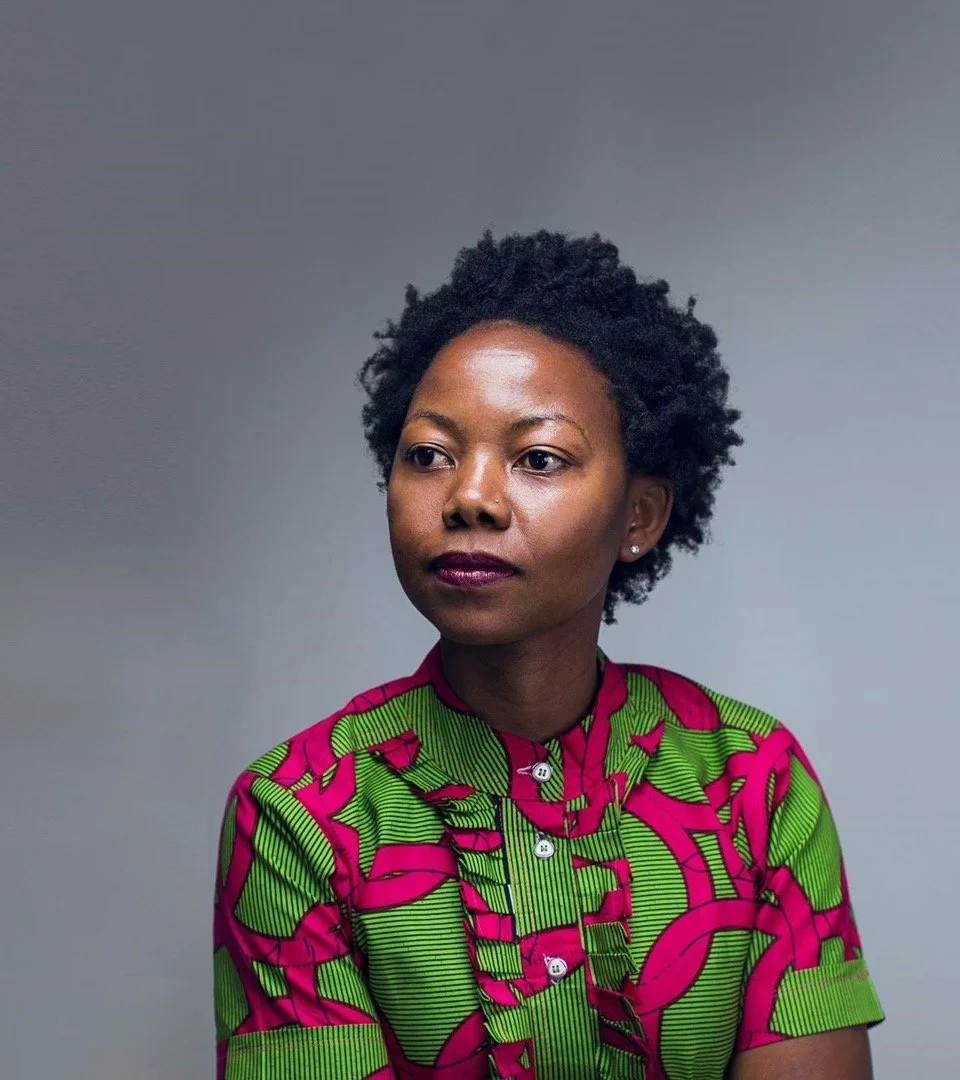
NoViolet Bulawayo is the winner of the 2011 Caine Prize for African Writing for her short story, “Hitting Budapest,” and author of the novels Glory, and We Need New Names. Her books have been shortlisted for the Man Booker Prize, and longlisted for the Women’s Prize, the Aspen Words Literary Prize, the Rathbones Folio Prize, and won the Pen/Hemingway Award, the LA Times Book Prize Art Seidenbaum Award for First Fiction, among others. NoViolet earned her MFA at Cornell University, where she currently teaches.  

JUDGES’ BIO

ABDULRAZAK GURNAH

Abdulrazak Gurnah is the winner of the Nobel Prize in Literature 2021. He is the author of ten novels: Memory of Departure, Pilgrims Way, Dottie, Paradise(shortlisted for the Booker Prize and the Whitbread Award), Admiring Silence, By the Sea (longlisted for the Booker Prize and shortlisted for the Los Angeles Times Book Award), Desertion (shortlisted for the Commonwealth Writers’ Prize) The Last Gift, Gravel Heart, and Afterlives, which was shortlisted for the Orwell Prize for Fiction 2021 and longlisted for the Walter Scott Prize. He was Professor of English at the University of Kent, and was a Man Booker Prize judge in 2016. He lives in Canterbury.

JENNIFER NANSUBUGA MAKUMBI

Jennifer Nansubuga Makumbi is a Ugandan novelist and short story writer. She has a PhD from Lancaster University. Her first novel, Kintu (Oneworld, 2018), won the Kwani? Manuscript Project in 2013 and was longlisted for the Etisalat Prize in 2014. She was awarded the 2014 Commonwealth Short Story Prize for 'Let's Tell This Story Properly', which featured in her first collection, Manchester Happened (Oneworld, 2019). She was awarded the prestigious Windham-Campbell Prize for Fiction 2018 and lives in Manchester, where she lectures in Creative Writing at Manchester Metropolitan University. In 2020, she was selected as one of 100 Most Influential Africans of 2020 by New African magazine.

TONY TAGOE 

Tony Tagoe is a Ghanaian film producer, music executive, and creative strategist whose career spans music, film, brand partnerships, and cultural advocacy. An Oxford graduate, Tagoe co-founded Deal Real, the legendary Carnaby Street music store that became a launchpad for artists including Amy Winehouse, Kanye West, Mark Ronson, and John Legend. In artist management, Tagoe currently manages Grammy-winning producer Guilty Beatz and visual artist Prince Gyasi.

Tagoe’s film career includes co-producing Beasts of No Nation, Black Earth Rising and Borga, along with credits on Das Netz. His brand work spans Nike, Adidas, Sony, Mercedes Benz, Red Bull, Vodafone, Diageo, and Apple. He sits on the Global Citizen: Move Afrika Committee and Soho House Committee. He is Co- Founder of TDA Films and TD Akuna Studios.

The Caine Prize for African Writing announces its Best of Caine Award Judges

[London, UK] The Caine Prize for African Writing is pleased to announce its panel of judges for the 2025 Best of Caine Award, a special honorary award celebrating the most outstanding winner from the Prize’s 25-year history. 

This year’s Chair of Judges is the 2021 Nobel Laureate in Literature, Abdulrazak Gurnah. Born in Zanzibar, Gurnah is the author of ten novels: Memory of DeparturePilgrims WayDottieParadise (shortlisted for the Booker Prize and the Whitbread Award), Admiring SilenceBy the Sea (longlisted for the Booker Prize and shortlisted for the Los Angeles Times Book Award), Desertion (shortlisted for the Commonwealth Writers’ Prize), The Last GiftGravel Heart, and Afterlives, which was shortlisted for the Orwell Prize for Fiction 2021 and longlisted for the Walter Scott Prize. He was Professor of English at the University of Kent and was a Man Booker Prize judge in 2016. He lives in Canterbury.

Gurnah is joined on the panel by Jennifer Nansubuga Makumbi, a Ugandan novelist and short story writer. She has a PhD from Lancaster University. Her first novel, Kintu (Oneworld, 2018), won the Kwani? Manuscript Project in 2013 and was longlisted for the Etisalat Prize in 2014. She was awarded the 2014 Commonwealth Short Story Prize for 'Let's Tell This Story Properly', which featured in her first collection, Manchester Happened (Oneworld, 2019). She was awarded the prestigious Windham-Campbell Prize for Fiction 2018 and lives in Manchester, where she lectures in Creative Writing at Manchester Metropolitan University. In 2020, she was selected as one of 100 Most Influential Africans of 2020 by New African magazine.

Joining the judges is also Tony Tagoe, a Ghanaian film producer, music executive, and creative strategist whose career spans music, film, brand partnerships, and cultural advocacy. An Oxford graduate, Tagoe co-founded Deal Real, the legendary Carnaby Street music store that became a launchpad for artists including Amy Winehouse, Kanye West, Mark Ronson, and John Legend. In artist management, Tagoe currently manages Grammy-winning producer Guilty Beatz and visual artist Prince Gyasi.

Tagoe’s film career includes co-producing Beasts of No Nation, Black Earth Rising and Borga, along with credits on Das Netz. His brand work spans Nike, Adidas, Sony, Mercedes Benz, Red Bull, Vodafone, Diageo, and Apple. He sits on the Global Citizen: Move Afrika Committee and Soho House Committee. He is Co- Founder of TDA Films and TD Akuna Studios.

Commenting on this year’s award, Abdulrazak Gurnah, Chair of Judges, said: “for 25 years, the Caine Prize for African Writing has been at the forefront of both facilitating the emergence of new literary talent from the Continent, and honouring seasoned authors who push the needle in their approach to storytelling. It is undeniably an important pillar of the African literary ecosystem, offering not only its annual prize but also in-person workshops across the continent, and more recently, the online editorial programme.

“This year’s honorary award presents a unique opportunity for reflection, not just on the 25 stories and authors that have shaped the Prize’s legacy, but also on the years ahead, and the narratives the Prize seeks to platform.  I am delighted to once again serve as Chair of Judges after over two decades since I last held this role. I have read each of the winning stories before, and it is clear how the diverse perspectives of past judging panels have shaped the selection of each winner. I now look forward to revisiting these stories through a fresh lens, alongside my esteemed fellow judges.”

The judges will convene to select one outstanding story from the 25 previous Caine Prize winners this September.

The Best of Caine honouree will be announced at the inaugural Words Across Waters: Afro Lit Fest, taking place on Saturday, 27 September 2025 at the British Library in London.


-Ends


Media Contact: comms@caineprize.com

Press Package:  Access via Dropbox here


About The Caine Prize for African Writing 

The Caine Prize for African Writing is an annual award for African creative writing. The Prize is awarded for a short story by an African writer published in English (indicative length 3,000 to 10,000 words). The Caine Prize for African Writing is named after the late Sir Michael Caine, former Chairman of Booker plc and Chairman of the Booker Prize management committee for nearly 25 years. The African winners of the Nobel Prize for Literature, Wole Soyinka and J M Coetzee, are Patrons of The Caine Prize. Ellah Wakatama OBE is the Chair. 

An African writer is taken to mean someone who was born in Africa, or who is a national of an African country, or who has a parent who is African by birth or nationality. Works translated into English from other languages are not excluded, provided they have been published in translation, and should such a work win, a proportion of the prize would be awarded to the translator. 

The Caine Prize for African Writing announces the Best of Caine Award

[London, UK) – The Caine Prize for African Writing marks 25 years of honouring outstanding African writers who go on to make a profound impact on the literary world. Since its inception in 2000, the Prize has recognised (via its shortlist, winners, annual award and £10,000 prize purse) over 120 talented authors. We are immensely proud at the Prize to have been champions of these writers, in addition to the works of many more contemporary award-winning African authors. 

In honour of this milestone year, the Prize will be replacing its traditional annual prize cycle with the ‘Best of Caine Award’, whereby three judges will decide on the best short story to have won the Caine Prize for African Writing in its 25 years (2000 – 2024). Our previous winners whose stories will feature in this special anniversary contest are: 

  1. Leila Aboulela (Sudan) for The Museum

  2. Helon Habila  (Nigeria) for Love Poems

  3. Binyavanga Wainaina (Kenya) for Discovering Home

  4. Yvonne Owuor (Kenya) for Weight of Whispers

  5. Brian Chikwava (Zimbabwe) for Seventh Street Alchemy

  6. Segun Afolabi (Nigeria) for Monday Morning 

  7. Mary Watson (South Africa) for Jungfrau

  8. Monica Arac de Nyeko (Uganda) for Jambula Tree

  9. Henrietta Rose-Innes (South Africa) for Poison

  10. EC Osondu (Nigeria) for Waiting

  11. Olufemi Terry (Sierra Leone) for Stickfighting Days 

  12. NoViolet Bulawayo (Zimbabwe) for Hitting Budapest

  13. Rotimi Babatunde (Nigeria) for Bombay’s Republic

  14. Tope Folarin (Nigeria) for Miracle

  15. Okwiri Oduor (Kenya) for My Father’s Head 

  16. Namwali Serpell (Zambia) for The Sack 

  17. Lidudumalingani (South Africa) for Memories We Lost 

  18. Bushra al-Fadil (Sudan) for The Story of the Girl whose Birds Flew Away

  19. Makena Onjerika (Kenya) for Fanta Blackcurrant

  20. Lesley Nneka Arimah (Nigeria) for Skinned

  21. Irenosen Okojie (Nigeria) for Grace Jones

  22. Meron Hadero (Ethiopia) for The Street Sweep 

  23. Idza Luhumyo (Kenya) for Five Years Next Sunday

  24. Mame Bougouma Diene and Woppa Diallo (Senegal) for A Soul of Small Places 

  25. Nadia Davids (South Africa) for Bridling 

As part of the 25th anniversary celebrations, the Prize will also collaborate with a range of partners to deliver online and in-person events across the continent and diaspora, spotlighting our distinguished alumni and their continued contribution to the literary canon. Full details will be announced at a later date. 

In the meantime, we look forward to announcing this year’s judging panel and returning to our regular schedule in 2026.

-Ends

Media Contact: comms@caineprize.com

Press Package: Access via Dropbox here

About The Caine Prize for African Writing 

The Caine Prize for African Writing is an annual award for African creative writing. The Prize is awarded for a short story by an African writer published in English (indicative length 3,000 to 10,000 words). The Caine Prize for African Writing is named after the late Sir Michael Caine, former Chairman of Booker plc and Chairman of the Booker Prize management committee for nearly 25 years. The African winners of the Nobel Prize for Literature, Wole Soyinka and J M Coetzee, are Patrons of The Caine Prize. Ellah Wakatama OBE is the Chair. 

An African writer is taken to mean someone who was born in Africa, or who is a national of an African country, or who has a parent who is African by birth or nationality. Works translated into English from other languages are not excluded, provided they have been published in translation, and should such a work win, a proportion of the prize would be awarded to the translator.